 Image 1 of 1
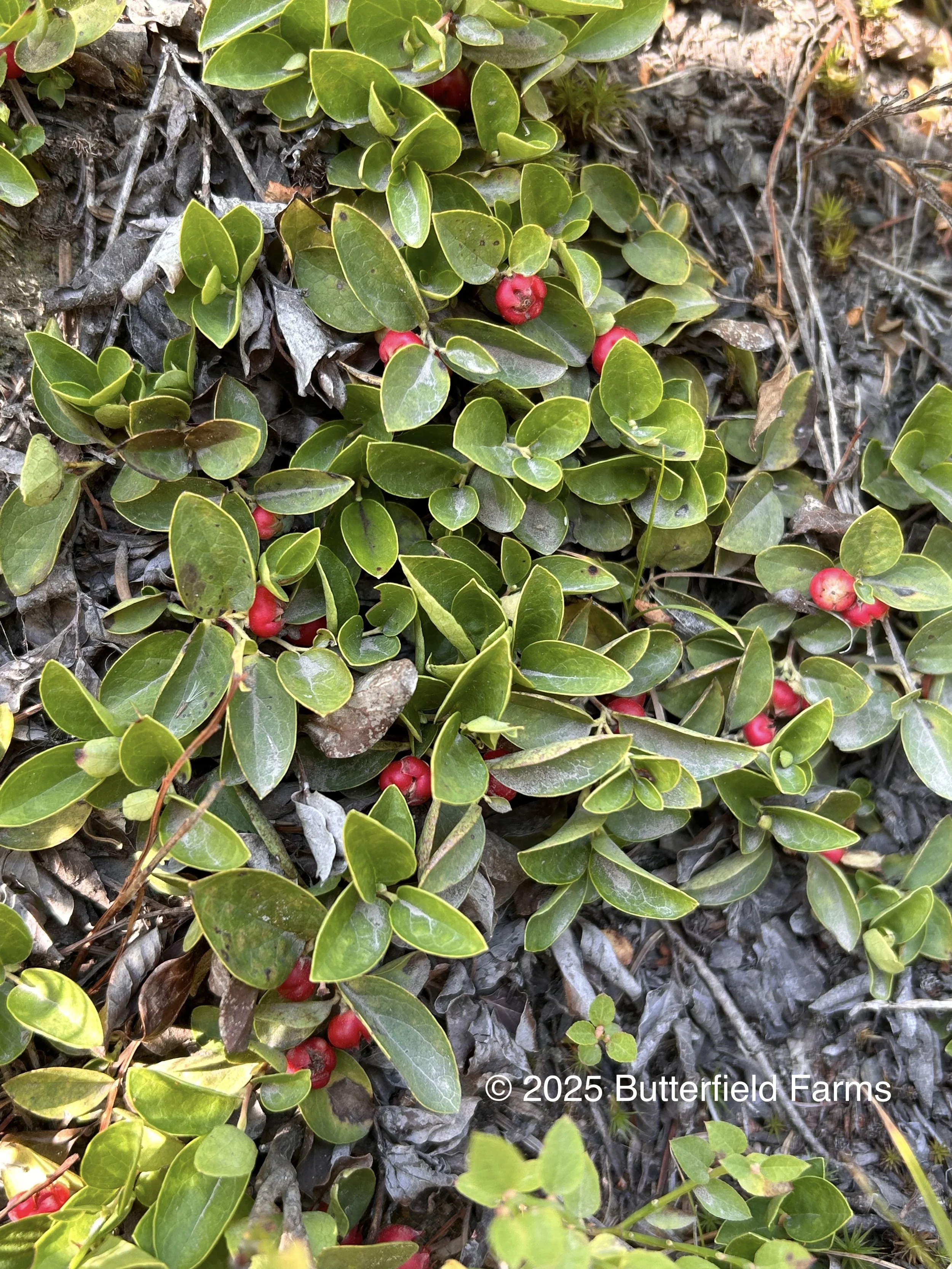
Gaultheria humifusa
(also known as Western creeping wintergreen, Spicywintergreen)
zones 4-7
100 seeds
A member of the heath family, Alpine Wintergreen is distinguished by its tiny, bell-shaped flowers. This low-growing, evergreen shrub (the Latin humifusa means ‘spreading over the ground’) prefers mossy areas on moist, shady ground. It’s rather unremarkable until its bright red edible berries ripen in late summer. Both leaves and berries are edible with a wintergreen flavor.
Wintergreen seeds require a period of cold, moist stratification to germinate. Sprinkle the tiny seeds onto a moistened paper towel, folded over to enclose the seed. Place into a zip-top plastic bag and refrigerate. Germination is slow, often taking 2-3 months or more. Check often to ensure the paper towel remains moist and to check for germination.
Once germination is evident, carefully remove seed from towel and sow in small pots, 1/8” deep. Keep indoors, and provide ample moisture as the germinated seed begins to grow through the surface of the soil. Once this occurs, scale back watering slightly but do not allow soil to dry out.
Transplant after the final frost of the year, once the plants are stable and show their first true leaves.
Gaultheria humifusa
(also known as Western creeping wintergreen, Spicywintergreen)
zones 4-7
100 seeds
A member of the heath family, Alpine Wintergreen is distinguished by its tiny, bell-shaped flowers. This low-growing, evergreen shrub (the Latin humifusa means ‘spreading over the ground’) prefers mossy areas on moist, shady ground. It’s rather unremarkable until its bright red edible berries ripen in late summer. Both leaves and berries are edible with a wintergreen flavor.
Wintergreen seeds require a period of cold, moist stratification to germinate. Sprinkle the tiny seeds onto a moistened paper towel, folded over to enclose the seed. Place into a zip-top plastic bag and refrigerate. Germination is slow, often taking 2-3 months or more. Check often to ensure the paper towel remains moist and to check for germination.
Once germination is evident, carefully remove seed from towel and sow in small pots, 1/8” deep. Keep indoors, and provide ample moisture as the germinated seed begins to grow through the surface of the soil. Once this occurs, scale back watering slightly but do not allow soil to dry out.
Transplant after the final frost of the year, once the plants are stable and show their first true leaves.