 Image 1 of 1
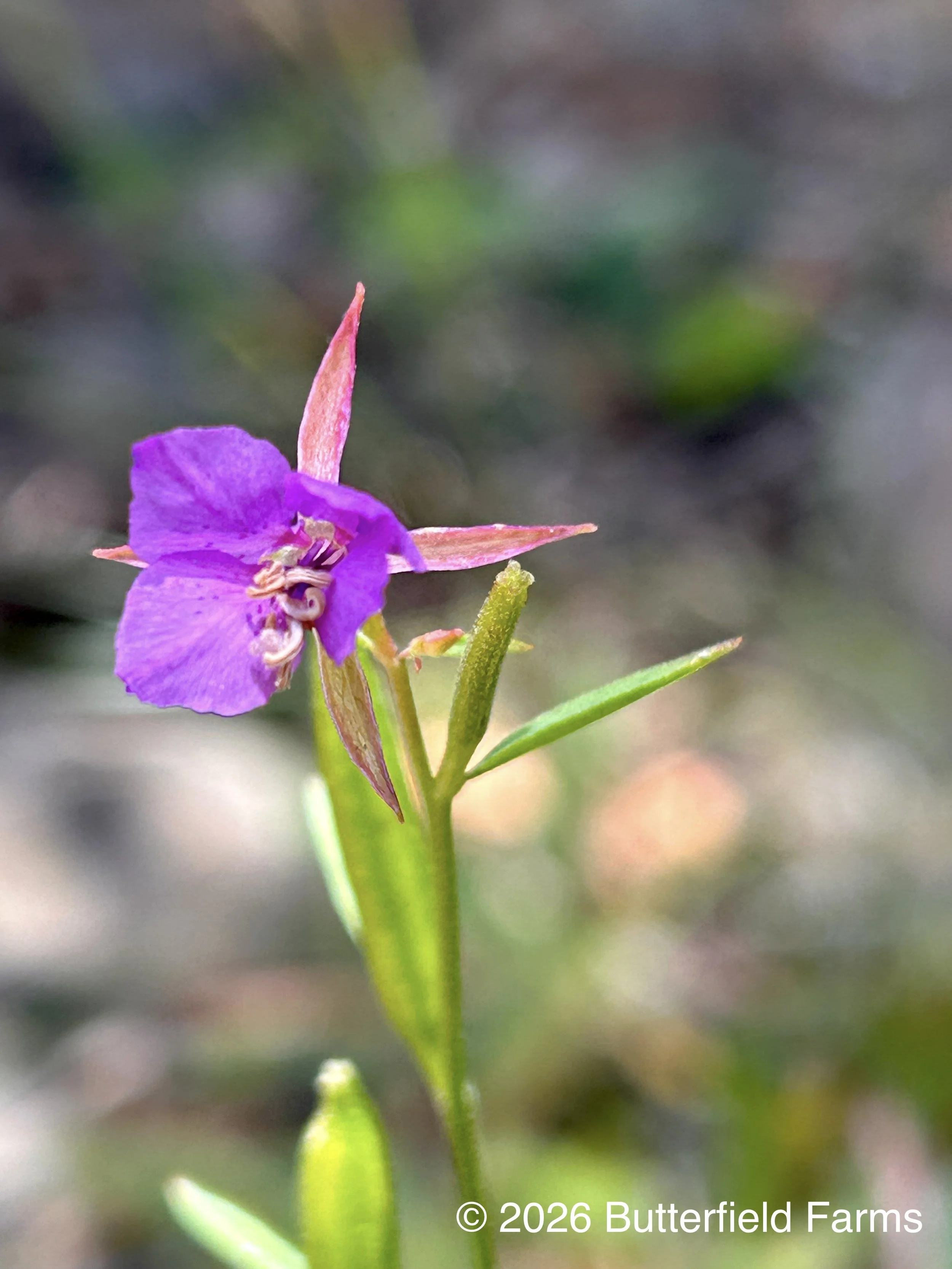
Clarkia rhomboidea
(also known as Forest clarkia)
zones 3-8
30 seeds
Diamond Clarkia, while lesser-known than its cousin Deerhorn Clarkia, is just as garden worthy. Petals are the same distinctive pink, but are unlobed (diamond-shaped), and plants are more slender and tidy.
Diamond Clarkia can grow up to 3’ making it well-suited for wildflower borders, meadow mixes, and naturalized garden areas. Its blooms attract an abundance of native pollinators, including bees and butterflies.
This plant prefers dry, rocky slopes with a sunny aspect. It is drought-tolerant but will do best in mild summer areas. Spring flowers will often be followed by a second flowering in fall, and plants will self-seed once established.
To grow, simply scatter seed on prepared soil in fall and allow to overwinter. Plants will self-seed once established.
Clarkia rhomboidea
(also known as Forest clarkia)
zones 3-8
30 seeds
Diamond Clarkia, while lesser-known than its cousin Deerhorn Clarkia, is just as garden worthy. Petals are the same distinctive pink, but are unlobed (diamond-shaped), and plants are more slender and tidy.
Diamond Clarkia can grow up to 3’ making it well-suited for wildflower borders, meadow mixes, and naturalized garden areas. Its blooms attract an abundance of native pollinators, including bees and butterflies.
This plant prefers dry, rocky slopes with a sunny aspect. It is drought-tolerant but will do best in mild summer areas. Spring flowers will often be followed by a second flowering in fall, and plants will self-seed once established.
To grow, simply scatter seed on prepared soil in fall and allow to overwinter. Plants will self-seed once established.