 Image 1 of 1
Oenothera biennis
(also known as Weedy evening primrose)
zones 3-9
50 seeds
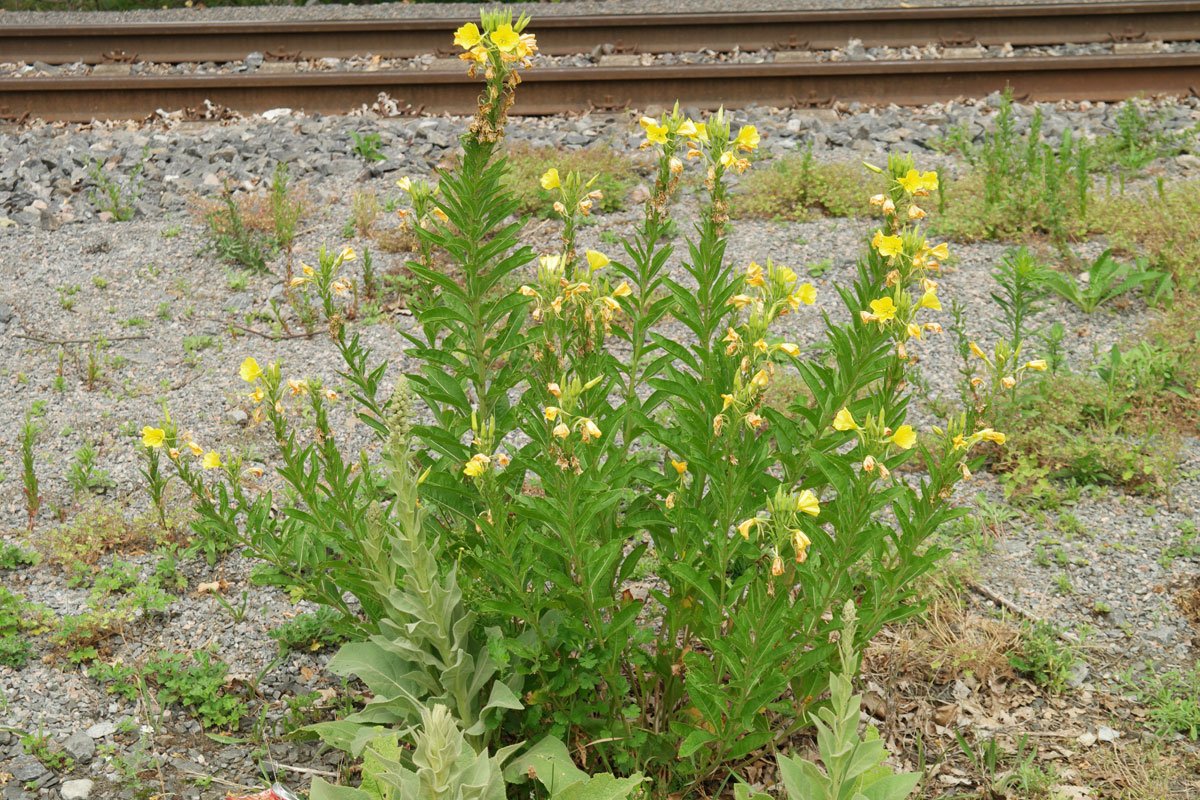
The genus Oenothera contains a large number of species, all with attractive, fragrant, and often nocturnal flowers. The many species, which can be found in a variety of habitats and are known to hybridize, make identification challenging at times. Although several species are found only in the Rocky Mountains, O. biennis occurs widely throughout North America. It volunteers readily in roadside ditches, old fields, and other sunny locations with disturbed soil.
Common Evening Primrose is typically a biennial, growing a low rosette of leaves the first year, and then a tall (up to 5-6’) long-blooming flower stalk in its seeding year. Blooms are yellow and short-lived, but are so numerous that there are always new blooms opening. It will reseed readily if allowed, and is considered a ‘weed’ by some. However, Common Evening Primrose is widely known as a valuable edible and medicinal plant, as well as an important pollinator plant due to its long bloom time (June-October).
Seeds are most successfully sown in late fall. Scatter on prepared soil and lightly press into the soil. Seed will germinate in the spring as temperatures warm.
Oenothera biennis
(also known as Weedy evening primrose)
zones 3-9
50 seeds
The genus Oenothera contains a large number of species, all with attractive, fragrant, and often nocturnal flowers. The many species, which can be found in a variety of habitats and are known to hybridize, make identification challenging at times. Although several species are found only in the Rocky Mountains, O. biennis occurs widely throughout North America. It volunteers readily in roadside ditches, old fields, and other sunny locations with disturbed soil.
Common Evening Primrose is typically a biennial, growing a low rosette of leaves the first year, and then a tall (up to 5-6’) long-blooming flower stalk in its seeding year. Blooms are yellow and short-lived, but are so numerous that there are always new blooms opening. It will reseed readily if allowed, and is considered a ‘weed’ by some. However, Common Evening Primrose is widely known as a valuable edible and medicinal plant, as well as an important pollinator plant due to its long bloom time (June-October).
Seeds are most successfully sown in late fall. Scatter on prepared soil and lightly press into the soil. Seed will germinate in the spring as temperatures warm.