 Image 1 of 3
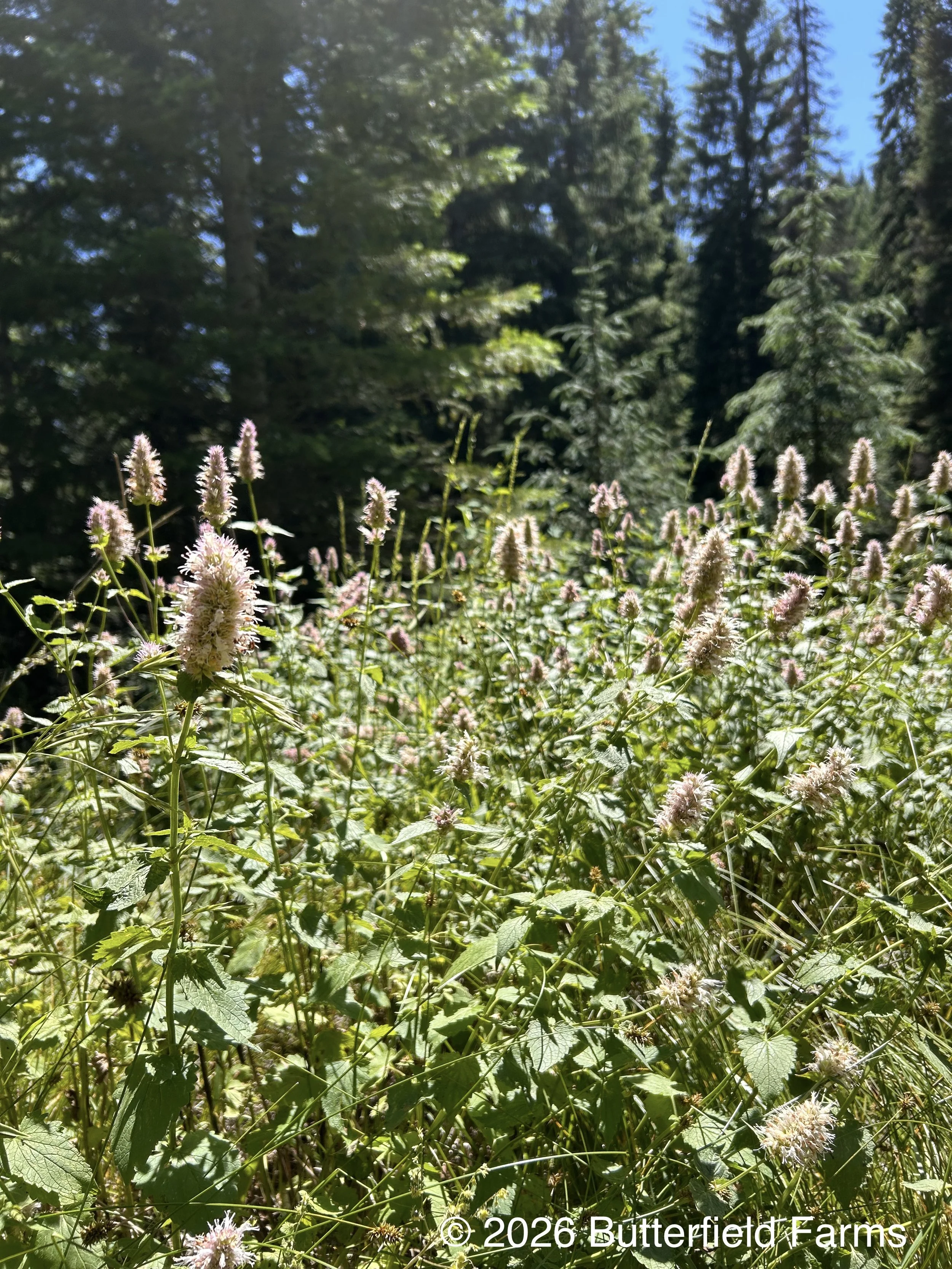 Image 2 of 3
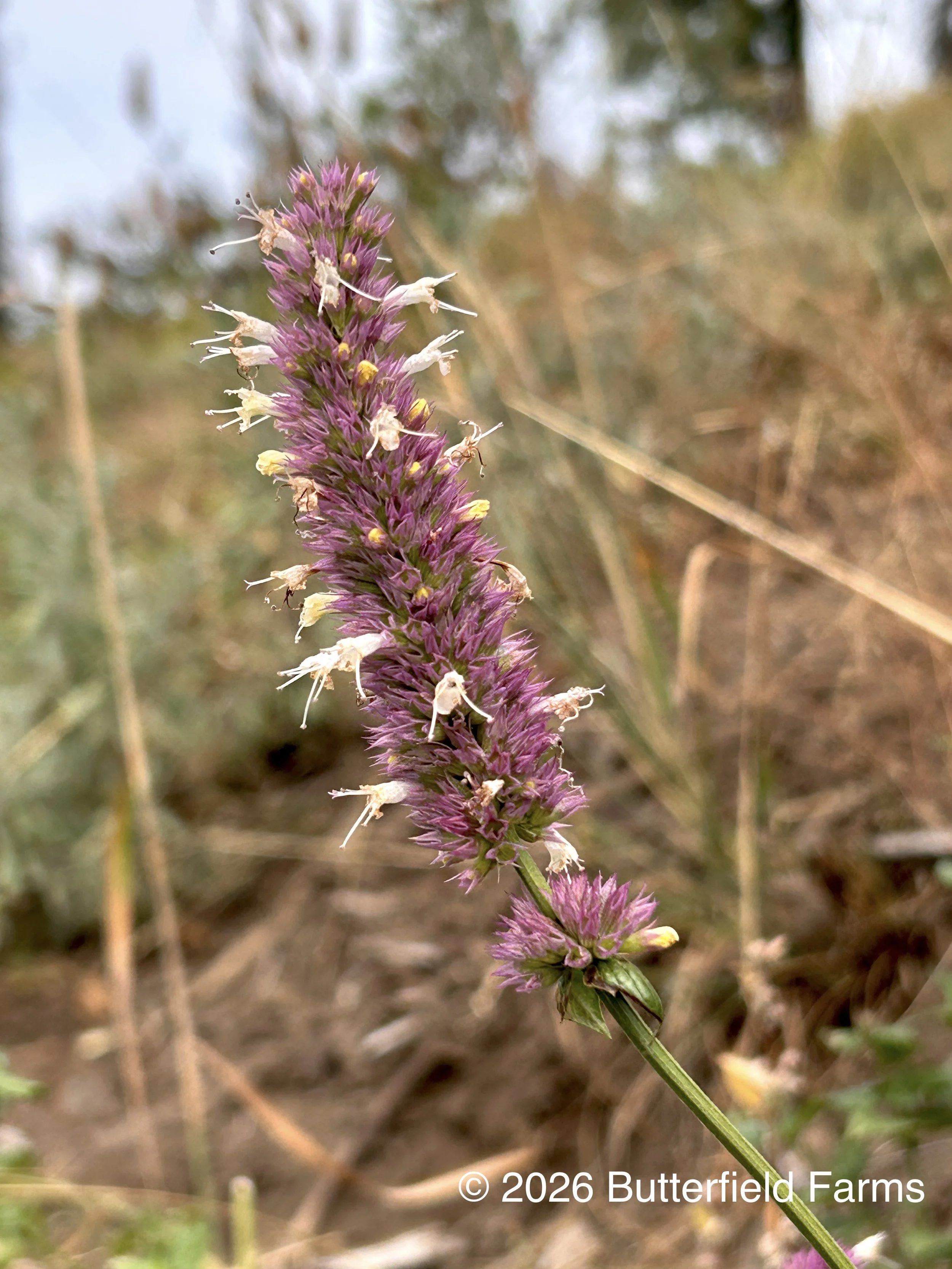 Image 3 of 3
Agastache urticifolia
(also known as Western horsemint, Giant hyssop)
zones 3-7
50 seeds
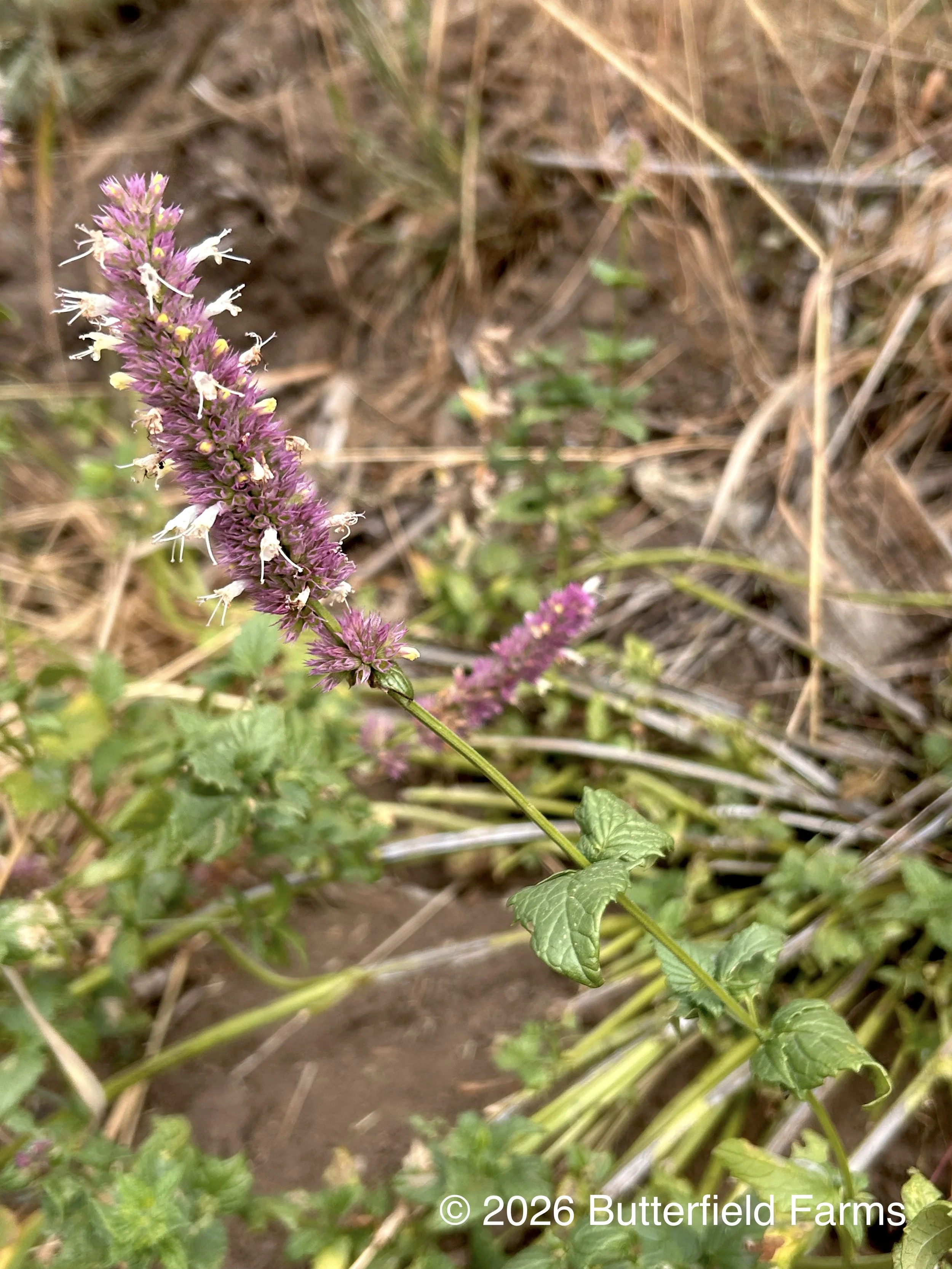
Nettleleaf Horsemint goes by many common names, a few of which are listed above. It grows in great numbers along mountain trails, especially in areas that retain moisture from the spring snowmelt. Its flowers are a favorite among pollinators. A member of the mint family, the stems are square and the leaves and flowers give off a pleasant odor—not quite mint-like, but mustier—like catnip with a hint of licorice. Plants can grow quite tall, reaching heights of 5’.
The large size of Nettleleaf Horsemint, and its dense terminal spikes of flowers distinguish Nettleleaf Horsemint from other native plants in the mint family.
Many species of the Agastache family have been historically used for food and medicine. In the Rockies, it’s considered the most important forage plant in the mint family. The seeds are beloved by small birds and were also eaten raw by many native tribes. The leaves and flowers are popular for tea.
To grow, simply scatter seed on prepared soil in fall and allow to overwinter. Keep moist throughout winter and spring and through the growing season.
Agastache urticifolia
(also known as Western horsemint, Giant hyssop)
zones 3-7
50 seeds
Nettleleaf Horsemint goes by many common names, a few of which are listed above. It grows in great numbers along mountain trails, especially in areas that retain moisture from the spring snowmelt. Its flowers are a favorite among pollinators. A member of the mint family, the stems are square and the leaves and flowers give off a pleasant odor—not quite mint-like, but mustier—like catnip with a hint of licorice. Plants can grow quite tall, reaching heights of 5’.
The large size of Nettleleaf Horsemint, and its dense terminal spikes of flowers distinguish Nettleleaf Horsemint from other native plants in the mint family.
Many species of the Agastache family have been historically used for food and medicine. In the Rockies, it’s considered the most important forage plant in the mint family. The seeds are beloved by small birds and were also eaten raw by many native tribes. The leaves and flowers are popular for tea.
To grow, simply scatter seed on prepared soil in fall and allow to overwinter. Keep moist throughout winter and spring and through the growing season.