 Image 1 of 4
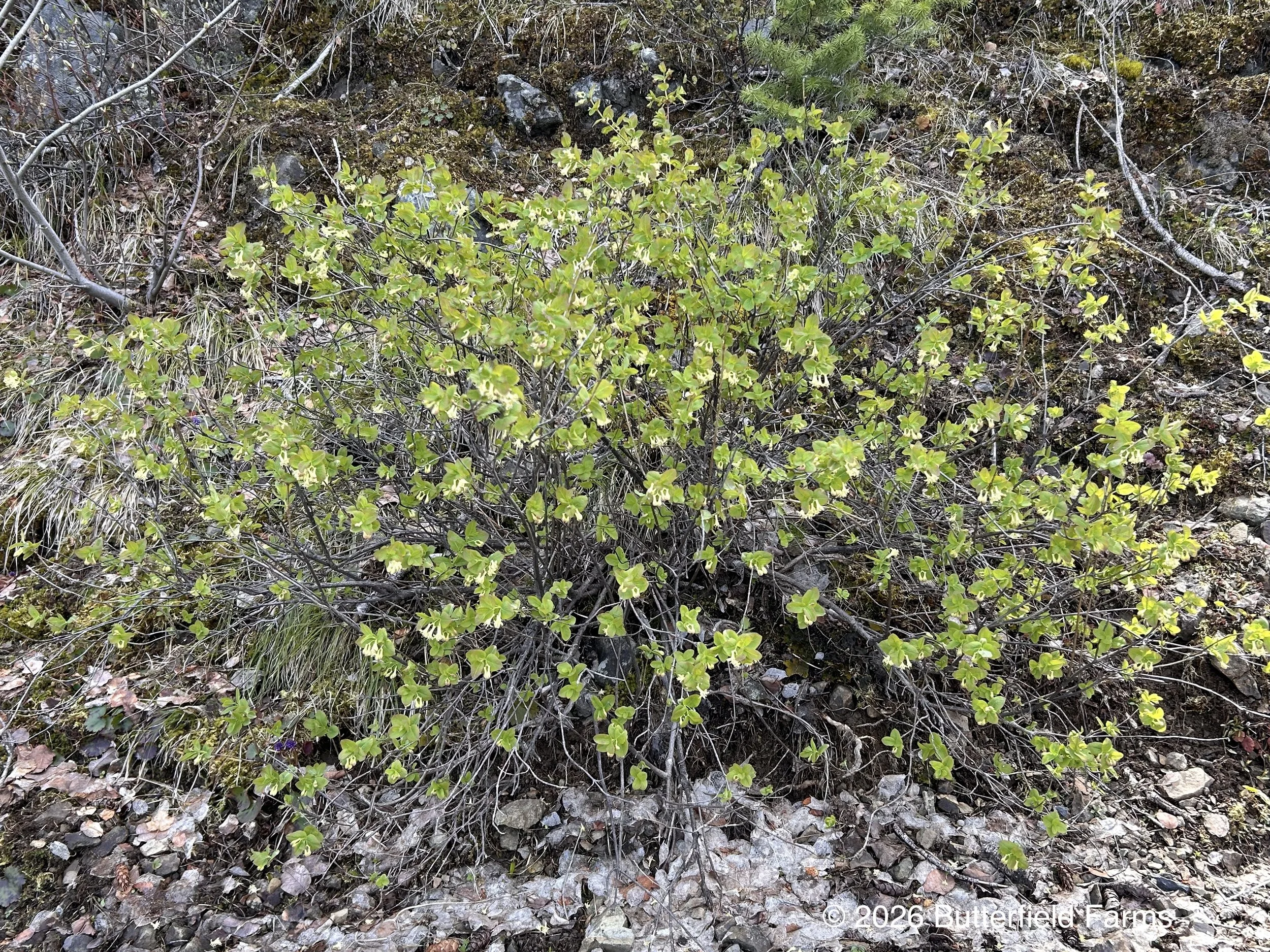 Image 2 of 4
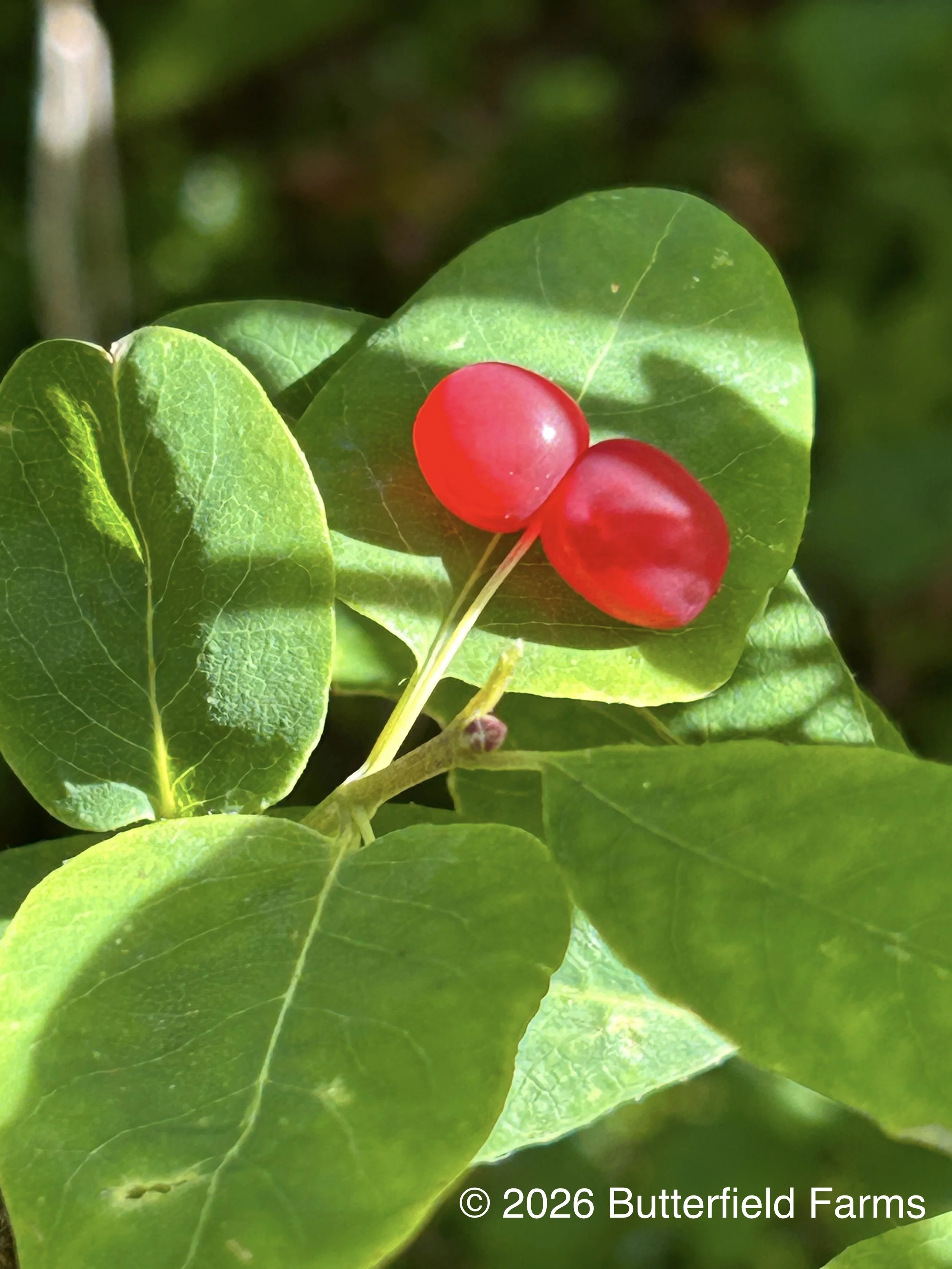 Image 3 of 4
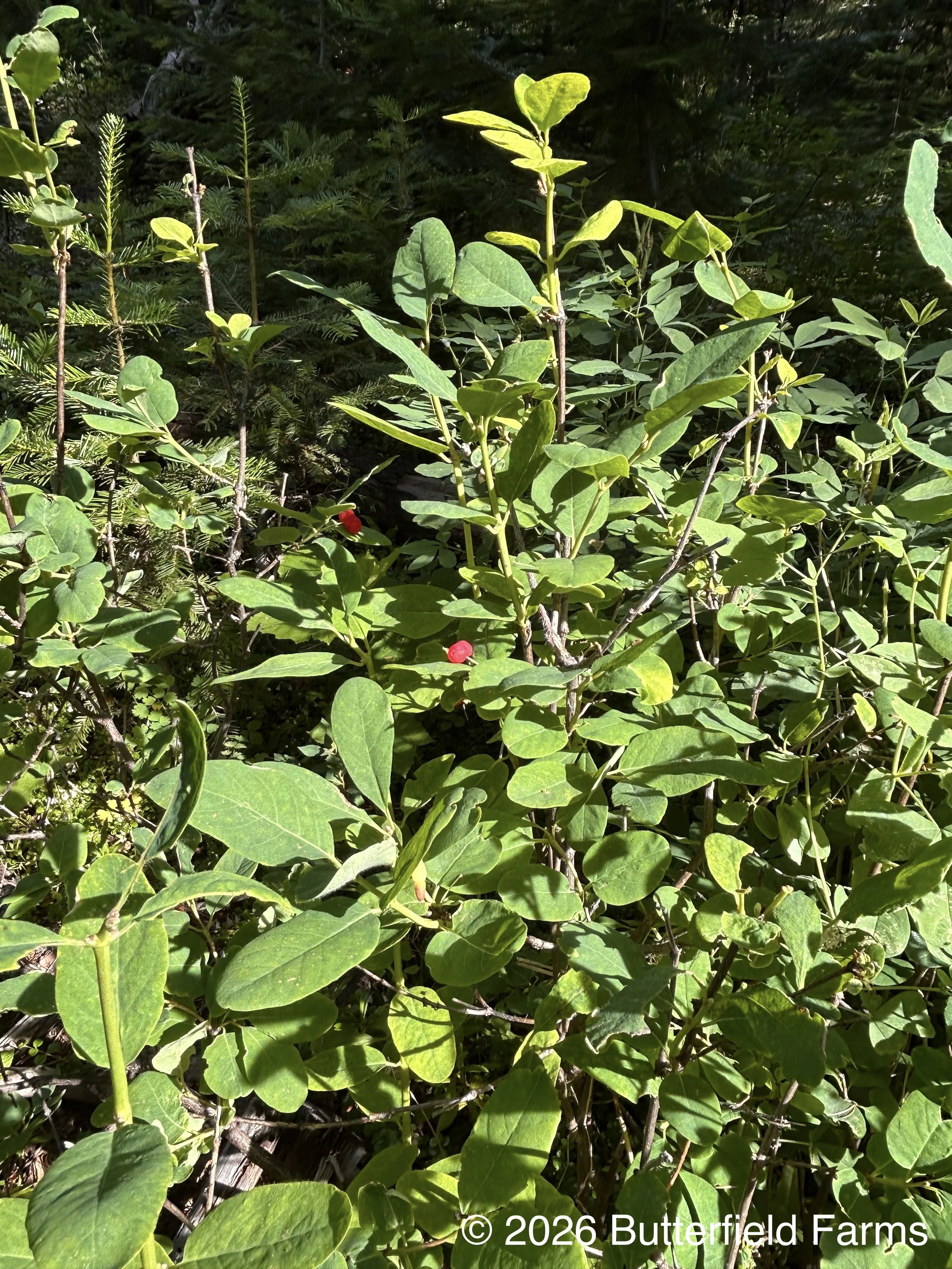 Image 4 of 4
Lonicera utahensis
(also known as Utah honeysuckle, Fly honeysuckle)
zones 2-5
35 seeds
Red Twinberry is a species of flowering plant in the honeysuckle family native to western North America. It grows as a shrub and is smaller than its cousin, Lonicera involucrata, usually no taller than 6 feet. Small, pale yellow flowers appear in pairs in early spring, and develop into striking, 2-lobed berries by summer. Berries are edible, though not particularly tasty.
Red Twinberry seeds are best sown in a cold frame in autumn. The seeds have a hard seed coat and scarification with sulfuric acid for 20-30 minutes followed by 2-3 months of cold stratification will help the embryo to develop. Place the seedlings into individual pots when they are large enough to handle. If sufficient growth is made by the summer, it is possible to plant them out, otherwise grow them in a cold frame for the first winter and plant the following spring after the last projected frost.
Lonicera utahensis
(also known as Utah honeysuckle, Fly honeysuckle)
zones 2-5
35 seeds
Red Twinberry is a species of flowering plant in the honeysuckle family native to western North America. It grows as a shrub and is smaller than its cousin, Lonicera involucrata, usually no taller than 6 feet. Small, pale yellow flowers appear in pairs in early spring, and develop into striking, 2-lobed berries by summer. Berries are edible, though not particularly tasty.
Red Twinberry seeds are best sown in a cold frame in autumn. The seeds have a hard seed coat and scarification with sulfuric acid for 20-30 minutes followed by 2-3 months of cold stratification will help the embryo to develop. Place the seedlings into individual pots when they are large enough to handle. If sufficient growth is made by the summer, it is possible to plant them out, otherwise grow them in a cold frame for the first winter and plant the following spring after the last projected frost.