 Image 1 of 1
Lupinus argenteus
zones 3-6
25 seeds
There are many Lupines found throughout the northwest, all of which hybridize easily making them difficult to distinguish from one another. Among gardeners they are prized for their lush foliage and colorful, pea-like blooms. Among ranchers they are a poisonous weed responsible for the deaths of large numbers of livestock. Take your cue accordingly: Lupines can be an asset to the backyard garden, but those with sheep, goats, and other livestock will want to be sure to plant where your animals will have no chance of grazing.
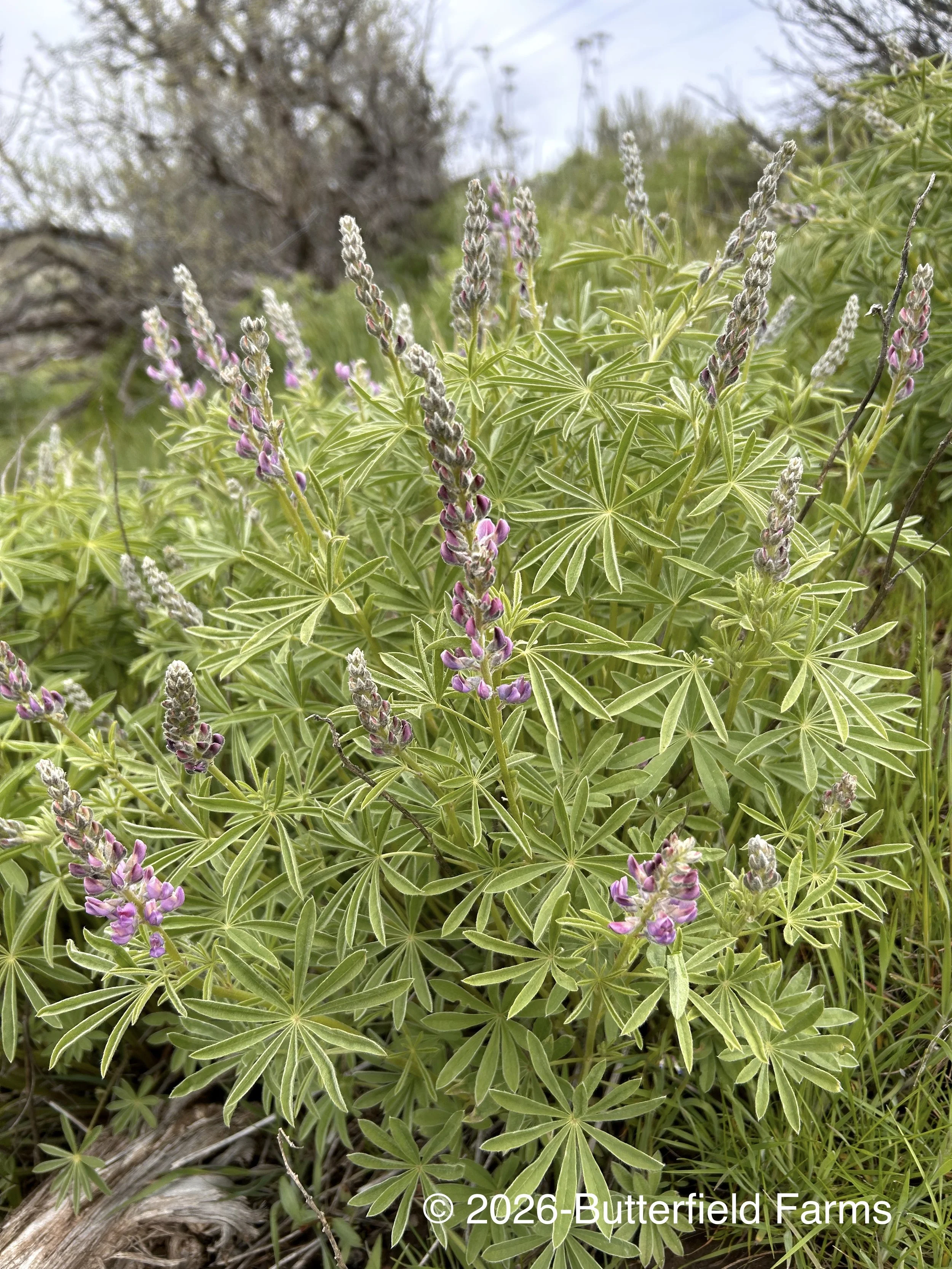
The Latin name for this Lupine, argenteus, means “silvery”, a descriptor referring to the sheen of the foliage which is covered in soft hairs and has a dusky look. This common and widespread Lupine can be found in all of the national parks of the Rocky Mountain region and is highly variable in its size and color. Generally though, one can expect a plant less than 24” with blooms a shade of blue or purple. It blooms from May-July depending on elevation.
Like all legumes, Lupine fix nitrogen in the soil, making them a valuable asset in the nitrogen-poor, sandy soils where they prefer to grow.
Lupinus argenteus
zones 3-6
25 seeds
There are many Lupines found throughout the northwest, all of which hybridize easily making them difficult to distinguish from one another. Among gardeners they are prized for their lush foliage and colorful, pea-like blooms. Among ranchers they are a poisonous weed responsible for the deaths of large numbers of livestock. Take your cue accordingly: Lupines can be an asset to the backyard garden, but those with sheep, goats, and other livestock will want to be sure to plant where your animals will have no chance of grazing.
The Latin name for this Lupine, argenteus, means “silvery”, a descriptor referring to the sheen of the foliage which is covered in soft hairs and has a dusky look. This common and widespread Lupine can be found in all of the national parks of the Rocky Mountain region and is highly variable in its size and color. Generally though, one can expect a plant less than 24” with blooms a shade of blue or purple. It blooms from May-July depending on elevation.
Like all legumes, Lupine fix nitrogen in the soil, making them a valuable asset in the nitrogen-poor, sandy soils where they prefer to grow.